

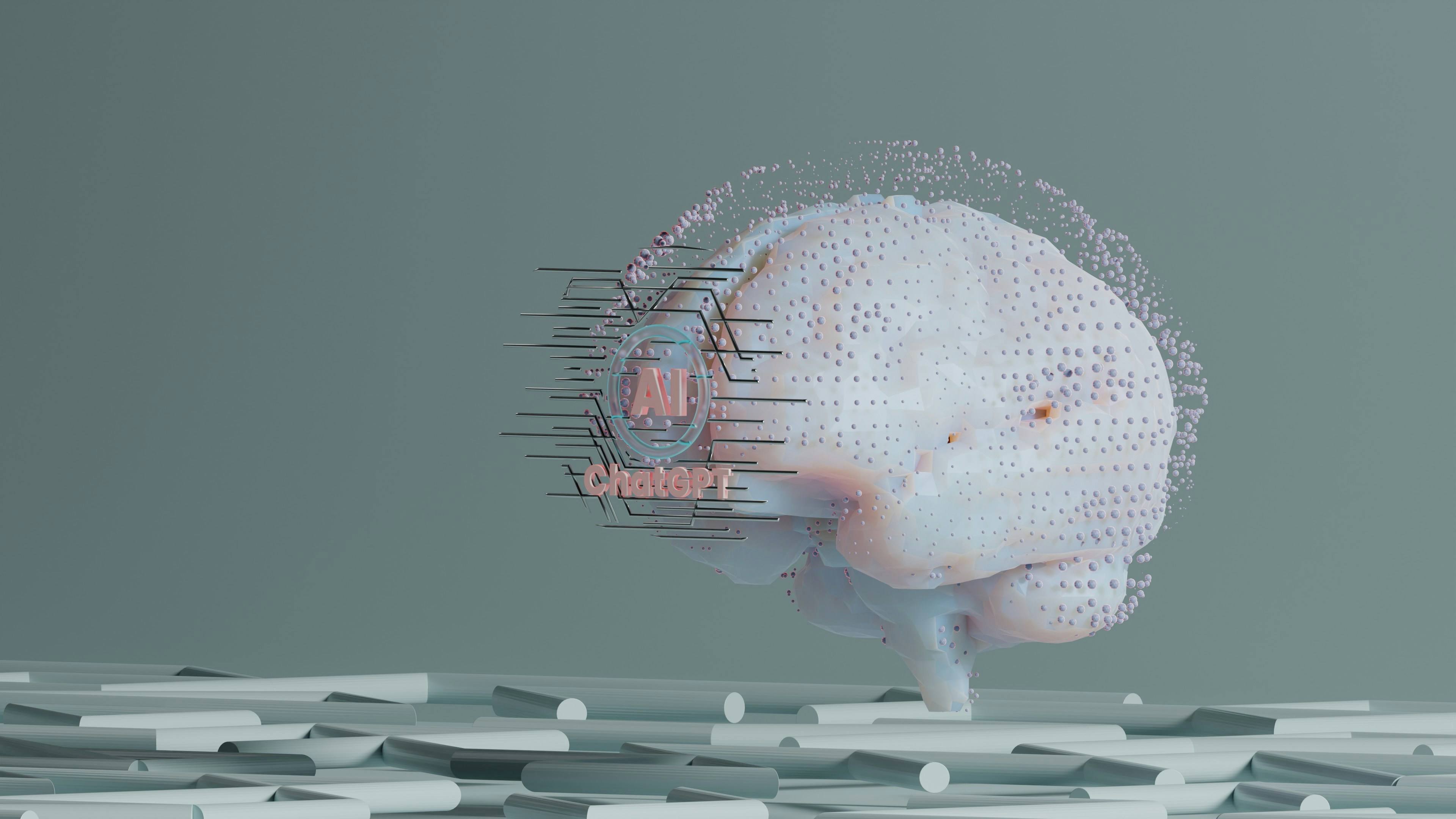
Artificial Intelligence (AI) is no longer a distant concept. Over the past few years, AI has transitioned from something purely confined to science fiction to a fundamental part of our everyday lives. From the way we interact with our devices to the way businesses operate, AI is shaping our world in ways we never anticipated. This blog post will explore the rise of AI and its impact on different facets of life, examining how it is revolutionizing everything from communication to transportation and healthcare.
The journey of AI has been a long one, starting from early theoretical ideas to the sophisticated systems we use today. In this post, we will dive into the current applications of AI, the potential challenges it brings, and how it is likely to evolve in the coming years.
Table of Contents
Introduction to Artificial Intelligence
Artificial Intelligence is the branch of computer science that aims to create systems capable of performing tasks that would normally require human intelligence. These tasks include things like problem-solving, decision-making, language understanding, and visual recognition. Over the past few decades, advancements in AI have allowed machines to learn from data, make predictions, and adapt to new situations with increasing accuracy.
Today, AI is not just limited to highly specialized applications, but is an integral part of our daily routines, from personal assistants like Siri and Alexa to the recommendation systems that drive Netflix, Spotify, and Amazon. AI is becoming smarter and more efficient, and it's making our lives easier, more productive, and more connected. The potential for AI to enhance not only our personal lives but also our professional lives is astounding, and as its capabilities continue to grow, the possibilities seem endless.
AI in Daily Life
AI is increasingly being embedded into various aspects of our daily lives, often without us even realizing it. Here are a few examples of how AI is influencing communication, transportation, and healthcare:
-
AI in Communication
AI has transformed the way we communicate. Virtual assistants, powered by natural language processing (NLP) and machine learning, allow us to interact with our devices using voice commands. Siri, Alexa, and Google Assistant are capable of understanding spoken language, answering questions, setting reminders, and controlling smart devices in our homes.In addition, AI is widely used in customer service. Chatbots and automated response systems use AI to provide fast and accurate customer support 24/7. These systems analyze customer queries, understand context, and provide relevant answers, enhancing the user experience while reducing operational costs. AI is also helping businesses improve their marketing efforts by predicting customer behavior and personalizing content based on individual preferences. -
AI in Transportation
Self-driving cars are perhaps the most well-known example of AI in transportation. Companies like Tesla, Waymo, and Uber are working on autonomous vehicles that use AI to navigate roads, detect obstacles, and make real-time decisions. These vehicles rely on machine learning algorithms and sensor data to understand their surroundings and safely transport passengers to their destinations.AI is also used to optimize traffic flow, reduce congestion, and improve public transportation. For example, AI algorithms analyze real-time traffic data to adjust traffic light timings and suggest the fastest routes for drivers. Similarly, AI-powered systems are being used to predict maintenance needs for public transit, improving service reliability. This not only makes transportation more efficient but also reduces environmental impact by optimizing routes and reducing fuel consumption. -
AI in Healthcare
In healthcare, AI has the potential to revolutionize diagnostics, patient care, and drug discovery. AI-powered systems can analyze medical images, such as X-rays and MRIs, to identify signs of diseases like cancer, often with greater accuracy than human doctors. These systems help doctors make faster and more informed decisions, improving patient outcomes.AI is also used in personalized medicine, where algorithms analyze a patient’s genetic data and medical history to recommend the most effective treatments. Additionally, AI can assist in drug discovery by predicting the effectiveness of new compounds, speeding up the development of life-saving medications. This can significantly reduce the time and cost required to bring new drugs to market, ultimately saving lives and improving the quality of healthcare worldwide.
The Benefits of AI
AI brings numerous benefits, especially in terms of efficiency and productivity. Some key advantages include:
- Automation of repetitive tasks - AI systems can handle routine tasks, freeing up time for humans to focus on more creative and complex work.
- Improved decision-making - By analyzing large datasets, AI can help organizations make more informed decisions quickly.
- Personalized experiences - AI can tailor recommendations in various fields, from entertainment to shopping, based on individual preferences.
- Better healthcare - AI’s ability to analyze medical data helps doctors detect diseases early and offer more personalized treatments.
- Enhanced security - AI-powered systems can detect potential security threats by analyzing patterns in data, preventing fraud and cyberattacks.
Challenges and Concerns
While AI offers significant benefits, it also presents challenges. One of the biggest concerns is job displacement. As AI systems become more capable, there is a fear that they will replace human workers in various industries, particularly in manufacturing, customer service, and transportation.
Another challenge is the ethical implications of AI. Decisions made by AI systems, especially in critical areas like healthcare and criminal justice, can have serious consequences. Ensuring that AI systems are fair, transparent, and accountable is essential to avoid biases and discrimination. Additionally, there is the question of privacy and the potential for AI to misuse personal data. As AI continues to evolve, society will need to develop robust frameworks for ensuring ethical practices.
The Future of AI
Looking ahead, AI is expected to become even more integrated into our lives. From smarter AI assistants to advanced healthcare diagnostics, AI’s potential seems limitless. However, it will also require careful regulation and oversight to ensure that it is used responsibly and ethically. The future of AI will depend on how well society balances innovation with responsibility, ensuring that its development benefits all of humanity.
Conclusion
AI has come a long way and continues to evolve, impacting many areas of our lives. It is enhancing efficiency, improving healthcare, and transforming industries. However, with great power comes great responsibility. As AI grows, we must ensure that its development is aligned with the needs and values of society, so that it can continue to be a force for good in our world. The rise of AI is just the beginning, and its future is filled with exciting possibilities and challenges.
Credit
- Photo by Neeqolah Creative Works on Unsplash
- Photo by Growtika on Unsplash
Categories: Technology
Tags: #Programming #Technology #AI #Kecerdasan Buatan (AI) #ArtificialIntelligence




0 Comments
Leave a comment